































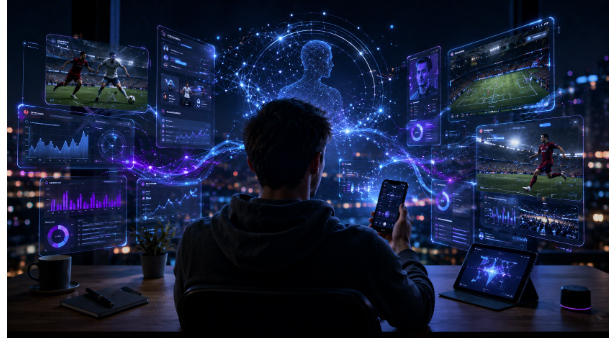
Digital platforms are becoming increasingly personalized as technology evolves. Modern users expect applications and websites to understand their preferences, habits, and interests almost instantly. In today’s fast-moving digital environment, Betwinner Cameroon download and similar platforms reflect how predictive systems became central to personalized online experiences. Artificial intelligence and data-driven algorithms now influence the way users consume sports content, entertainment, recommendations, and live information across digital ecosystems.
Predictive platforms no longer provide the same experience to every visitor. Instead, they analyze user behavior in real time to deliver customized content, notifications, and recommendations that match individual interests. This transformation changed how people interact with technology on a daily basis.
Artificial Intelligence Powers Personalization
Artificial intelligence is one of the main technologies behind predictive platforms. AI systems process enormous amounts of behavioral data to understand how users interact with digital environments.
These algorithms analyze browsing patterns, search activity, interaction time, favorite content categories, and engagement behavior. Based on this information, platforms generate personalized experiences designed specifically for each user.
Modern predictive systems continuously improve because machine learning allows algorithms to adapt over time as more data becomes available.
User Behavior Became Valuable Data
Every digital interaction can now become useful information for predictive platforms. Actions such as clicks, scrolling speed, viewing duration, and notification responses help algorithms understand user preferences more accurately.
This behavioral data allows platforms to predict:
- what users may want to watch;
- which sports they follow;
- what content increases engagement;
- when users are most active;
- which notifications generate interaction.
The ability to analyze these patterns transformed personalization into one of the most important aspects of modern digital experiences.
Personalized Feeds Changed Content Consumption
One of the most visible examples of predictive technology is the rise of personalized content feeds. Social media platforms, sports applications, streaming services, and online marketplaces now organize content differently for every individual user.
Instead of browsing generic pages, users receive highly customized recommendations based on previous activity and engagement history.
This personalization increases convenience because users spend less time searching for relevant content. At the same time, it significantly increases platform engagement and retention.
Real-Time Recommendations Increase Interaction
Modern predictive platforms work in real time. Algorithms constantly update recommendations while users interact with applications.
For example, if a user suddenly begins following football statistics or watching match highlights, the platform may immediately start prioritizing related content and notifications.
Many predictive systems now offer:
- personalized sports alerts;
- AI-generated recommendations;
- customized news feeds;
- live event suggestions;
- behavior-based notifications.
This creates highly dynamic digital environments tailored to individual preferences.
Mobile Technology Accelerated Personalization
The rise of smartphones played a major role in the growth of predictive platforms. Mobile devices generate enormous amounts of real-time user data because people interact with them constantly throughout the day.
Apps can analyze:
- location activity;
- browsing behavior;
- screen interaction;
- content preferences;
- usage frequency.
This continuous stream of information allows predictive systems to personalize experiences much faster and more accurately than traditional digital platforms.
Sports Platforms Use Predictive Analytics Extensively
Sports applications are among the industries most influenced by predictive personalization. Football fans now receive live match updates, player statistics, tactical analysis, and notifications based on individual preferences.
Supporters who frequently follow certain teams or competitions automatically receive more related content. This makes sports experiences feel more relevant and engaging.
Predictive sports platforms often provide:
- customized match recommendations;
- personalized statistical dashboards;
- AI-generated predictions;
- live tactical insights;
- behavior-based football feeds.
These systems transformed sports consumption into a more interactive and personalized experience.
Predictive Platforms Shape User Behavior
Personalization does not only respond to user behavior — it also influences it. Recommendation algorithms strongly affect what users watch, read, and interact with online.
By prioritizing certain content, predictive systems guide user attention toward specific topics and trends. This has a major impact on digital culture and internet behavior.
Platforms optimize recommendations to increase:
- user engagement;
- session duration;
- interaction frequency;
- content consumption;
- platform loyalty.
As predictive systems become more advanced, their influence on digital habits continues growing.
Second-Screen Behavior Increased Data Collection
Modern users often interact with multiple devices simultaneously while consuming content. Many football fans, for example, watch live matches while checking statistics and social media updates on smartphones.
This second-screen behavior generates additional behavioral data that predictive systems can analyze in real time.
As a result, platforms gain deeper insights into:
- viewing habits;
- engagement patterns;
- emotional reactions;
- sports preferences;
- interaction timing.
These insights help improve personalization accuracy even further.
Privacy Became a Major Discussion
As predictive platforms became more advanced, privacy concerns also increased. Many users now pay closer attention to how companies collect and process personal data.
The ability of algorithms to analyze detailed behavioral patterns raised questions about transparency and digital privacy. Governments and technology companies increasingly discuss regulations related to user data protection.
At the same time, many users continue accepting personalized systems because they improve convenience and simplify digital experiences.
The Future of Predictive Personalization
The future of predictive platforms will likely become even more advanced through artificial intelligence and machine learning improvements. Future systems may deliver hyper-personalized experiences capable of adapting instantly to user emotions, interests, and behavior changes.
Emerging technologies could introduce:
- AI-powered digital assistants;
- fully adaptive interfaces;
- predictive virtual environments;
- real-time emotional analysis;
- immersive personalized experiences.
As technology evolves, personalization will continue becoming one of the central features of digital ecosystems.
Predictive platforms transformed online experiences because they replaced generic content with intelligent, behavior-driven systems tailored to each individual user. Modern digital environments are no longer static because algorithms constantly analyze, predict, and personalize every interaction in real time.