































Digital gambling platforms face increasing scrutiny over trust and transparency as their popularity grows worldwide. Blockchain technology is reshaping industry standards by providing new tools for integrity, fairness, and user protection. As interest in decentralized solutions rises, understanding blockchain’s evolving role in online gaming is critical for both players and regulators.
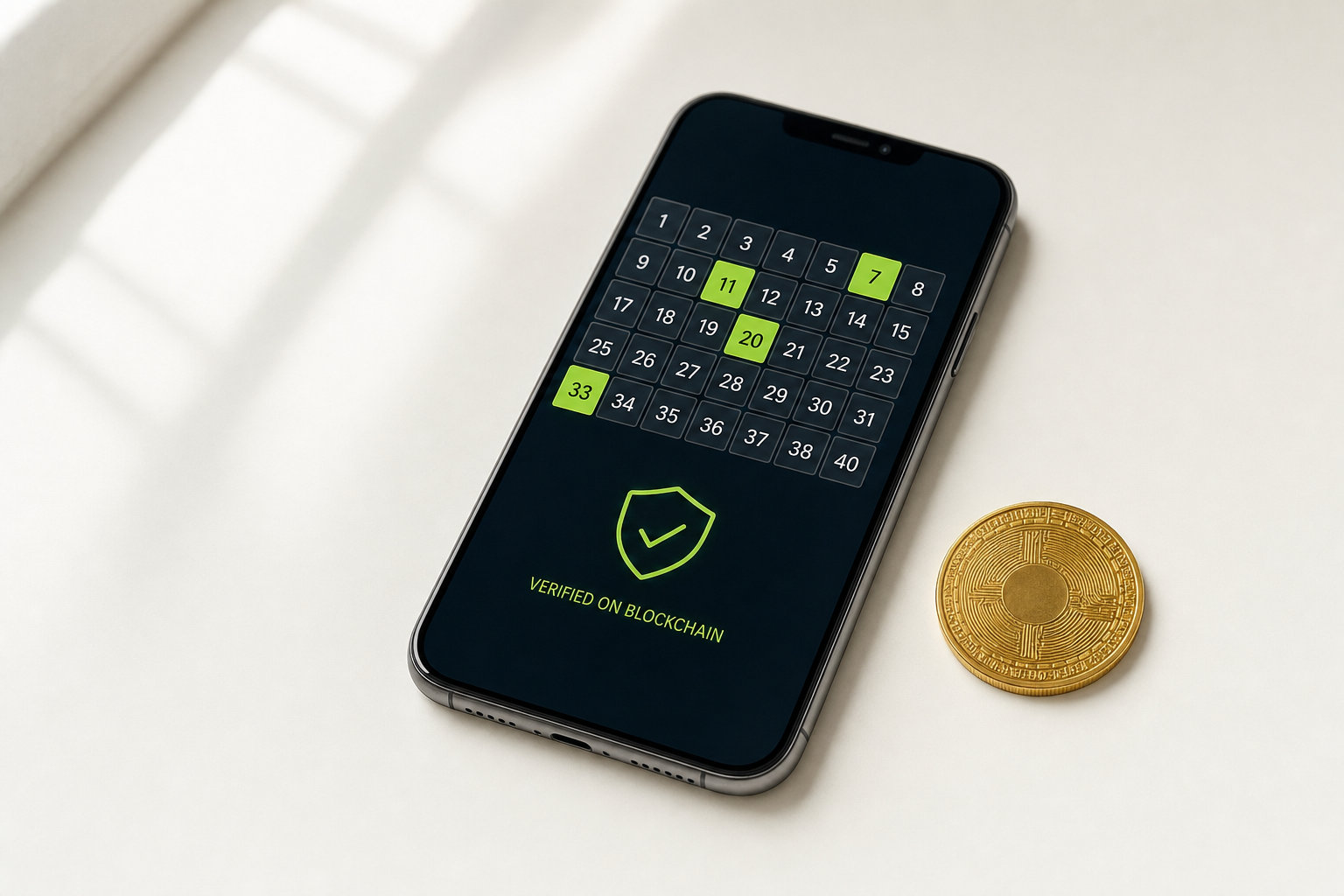
Interest in digital gambling continues to accelerate, prompting increased focus on the mechanisms that ensure games are fair and secure. Users and industry observers alike look for systems that safeguard financial transactions, verify game outcomes, and respect data privacy. In particular, formats such as the bitcoin keno game highlight how blockchain records can enhance confidence for players. Keno is a numbers-based game where players select a series of numbers, hoping they match numbers drawn at random. Modern online versions, including those backed by cryptocurrencies, often use blockchain to log every draw and outcome transparently. This means that each session’s results and the corresponding payouts may be verifiable through the blockchain, enabling players to check that the draws occurred fairly and were not tampered with.
Features like provably fair results and transparent payments are becoming strong differentiators in this space. However, while transparency tools can support integrity, they do not replace licensing requirements or consumer protections. The role of blockchain varies by platform, regulatory jurisdiction, and how the underlying systems are implemented.
Understanding blockchain and its core principles
At its core, blockchain is a distributed digital ledger where data is recorded in sequential blocks. Each new entry is time-stamped and cryptographically linked, making it difficult to alter the information once it is added. This architecture can help reduce certain forms of fraud or data manipulation.
A key feature of blockchain is its decentralization, meaning there is no single authority controlling the ledger. Transactions or recorded game events can be independently verified against the ledger by participants. This system supports transparency and auditability, which contributes to its appeal in some digital gambling contexts.
How blockchain transforms key aspects of online gaming
One visible impact of blockchain in digital gambling concerns payments and withdrawals. Cryptocurrency transactions may settle quickly and are recorded on the ledger, providing a record of payments. Users should also be aware of factors such as volatility, fees, and regional restrictions.
Compliance with know-your-customer (KYC) and anti-money-laundering (AML) regulations remains essential. Some blockchain-based approaches can support identity verification while reducing repeated data submissions. For game fairness, provably fair methods can allow players to verify outcomes independently, depending on how the system is implemented.
Blockchain-enabled mini-games and consumer safeguards
A blockchain-powered casino may feature numbers-based mini-games with settlement and recorded payout processes. In some designs, bets and results can be hashed and logged, creating an audit trail intended to be tamper-evident. In these contexts, platforms may also offer responsible gambling tools or fairness verification features.
Technological transparency alone cannot prevent all risks or misconduct. While blockchain tools can improve visibility, platforms still need clear rules, accurate odds disclosures, and credible oversight. Provable randomization can help users confirm outcomes, but regulatory supervision remains important for legal protection and responsible play.
Evaluating platforms and recognizing balanced innovation
When assessing any platform, look for visible licensing, clarity on game mechanics and odds, data protection policies, and dispute resolution channels. Independent fairness testing and transaction records can also indicate stronger operational standards. Adoption of blockchain does not remove the need for clear governance and consumer safeguards.
More broadly, blockchain is one of several technologies influencing how digital gambling services are designed and evaluated. Its practical effects depend on how platforms implement verification, custody, and user protections. For users and regulators, the central question remains whether these systems improve transparency without weakening accountability.